
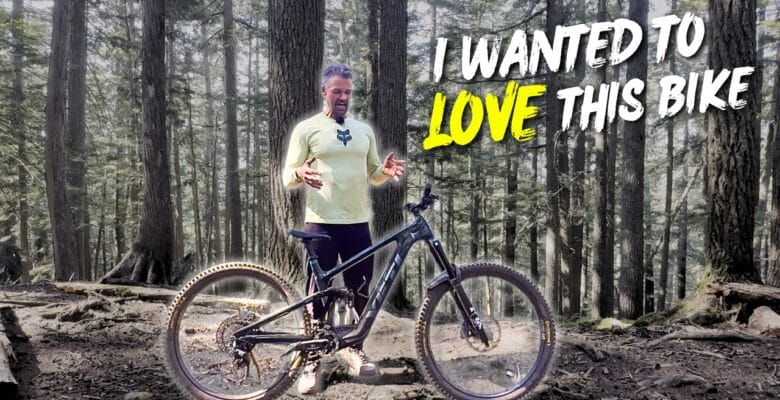
This Yeti MTe review started with one simple hope: I wanted to love this bike.
On paper, it sounds like the eMTB sweet spot I’ve been looking for: a nearly silent TQ motor, enough battery for a legitimately big day, and a total weight that is supposed to preserve the playful feel of a normal mountain bike.
That last part matters most to me.
I don’t want an eMTB simply because it climbs faster. The extra laps are great, but the entire point is getting back to the top so I can enjoy the descent. If the bike feels heavy, dead, or exhausting on the way down, the motor doesn’t solve the problem—it creates a different one.
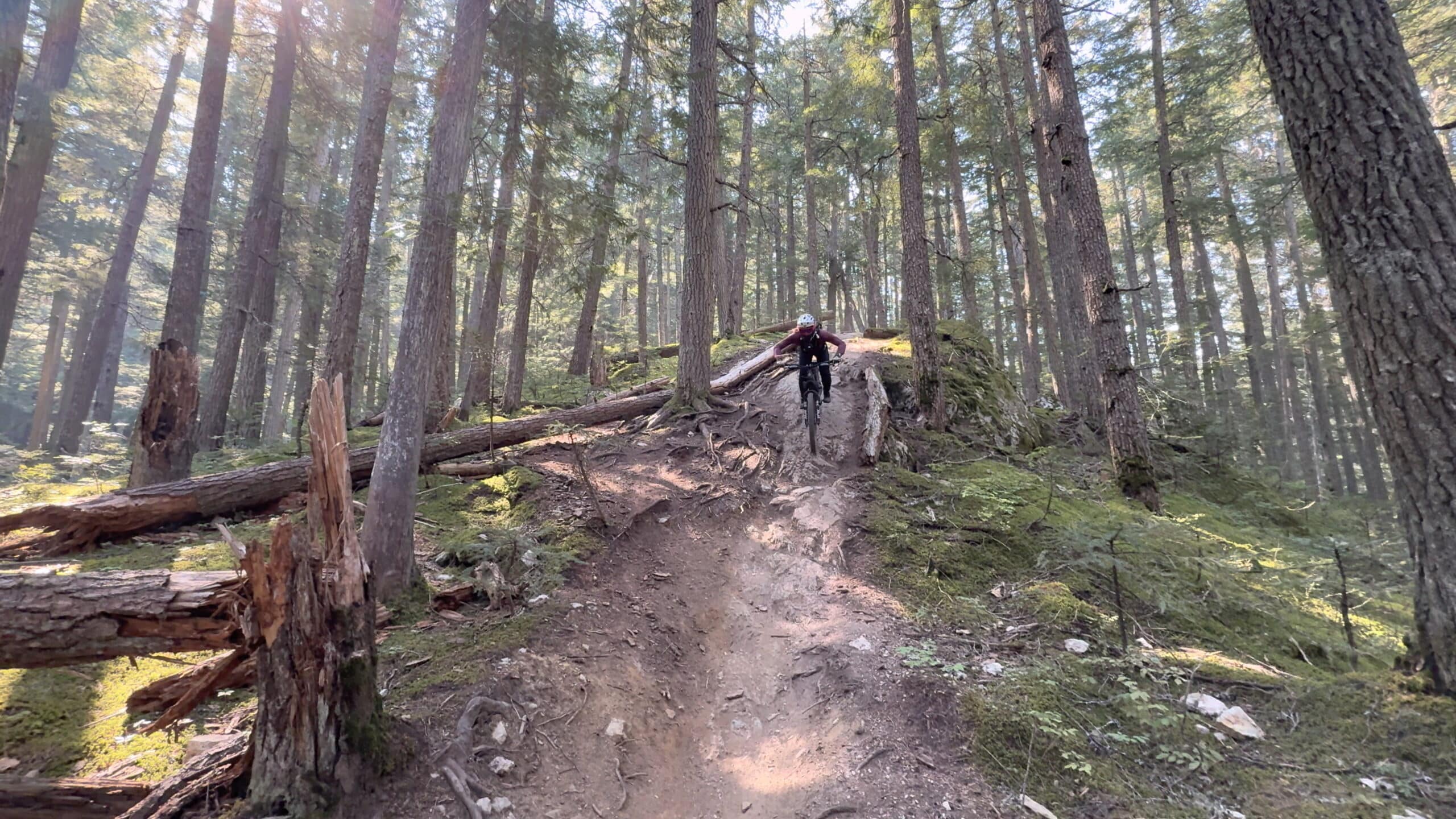
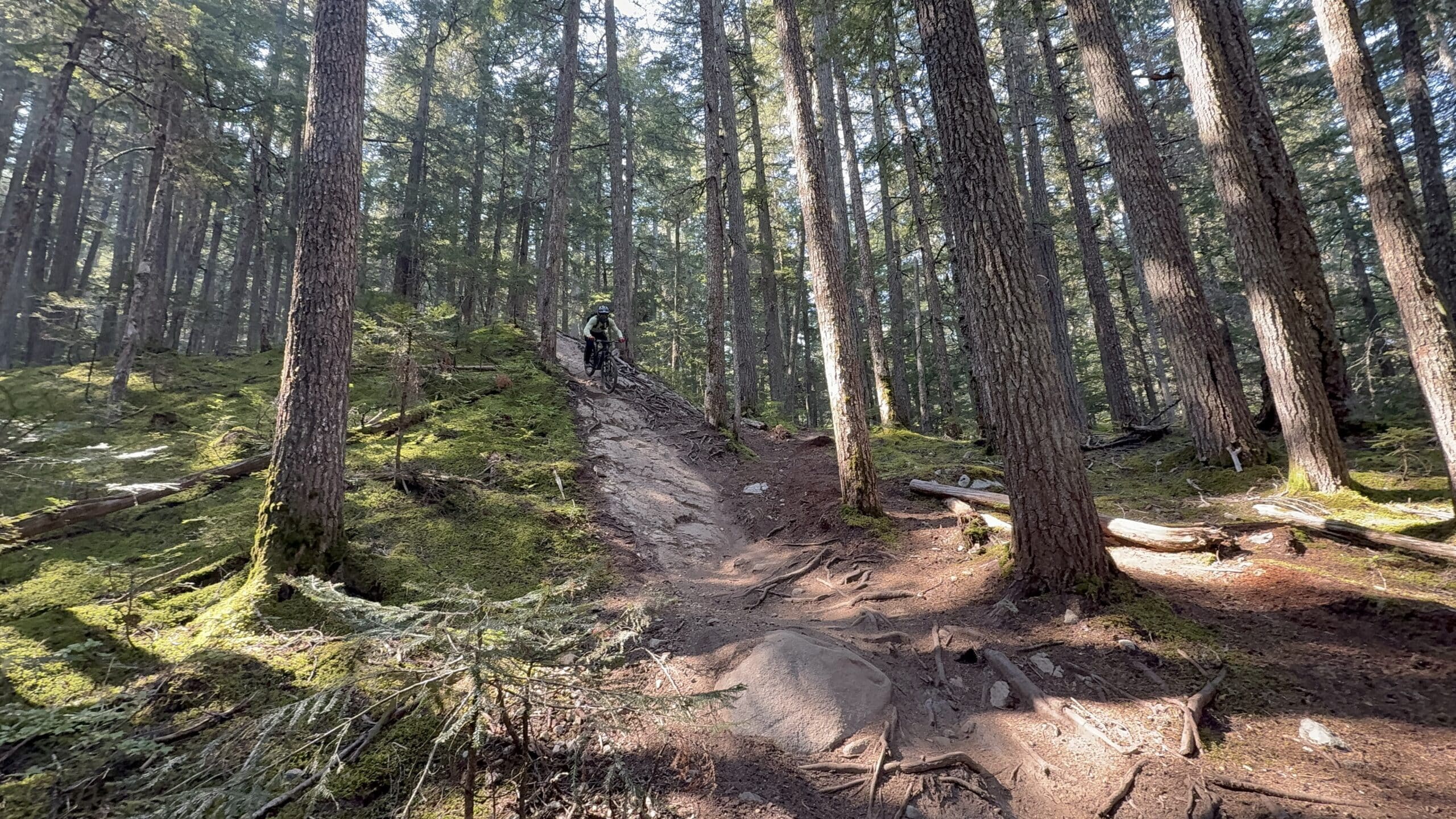
For this Yeti MTe review, Emily and I rented two bikes in Whistler and rode approximately 5,500 vertical feet through the Blackcomb trail network. We tested them on steep technical climbs and properly chunky descents including Microclimate, Dark Crystal, Hey Bud, Bud Light, and Golden Boner.
The motor and range genuinely impressed us. The downhill experience was more complicated.
What Is the Yeti MTe?
The Yeti MTe is Yeti’s lightweight, mid-power e-mountain bike. The 580Wh builds pair a TQ HPR60 motor with 145mm of Sixfinity rear travel and a 160mm fork.
The TQ system delivers 60Nm of torque and up to 350 watts of power. That is considerably less assistance than a full-power Bosch CX bike, but the tradeoff is a smaller, quieter motor and a more natural pedaling experience.
Yeti lists its 580Wh builds at approximately 43.3 to 44.3 pounds, depending on the component package. Our rental bikes fell into that general “lightweight eMTB” category on paper, but they felt heavier than we expected—especially through the front end.
That difference between the number on the scale and the feeling on the trail became the central story of our ride.
Yeti MTe Review: Climbing Performance
The MTe climbs very well.
My size-large bike initially felt long and low. The 480mm reach left my arms more stretched out than I wanted, and the low front end put more weight on my hands. Sliding the saddle forward helped shorten the effective reach, but I would still install a higher-rise handlebar to create a more upright position.
Once I adjusted to the cockpit, the bike felt efficient and predictable. It handled loose, steep, rooty climbs without any major traction problems, and the motor had enough power to get me through technical sections that would be difficult on an acoustic bike.
The MTe does feel cumbersome in tight technical climbing compared with a lighter bike. Some of that was the bike’s weight, and some was probably my position over the front end. But the motor itself was rarely the limiting factor.
The TQ HPR60 Motor Is a Highlight
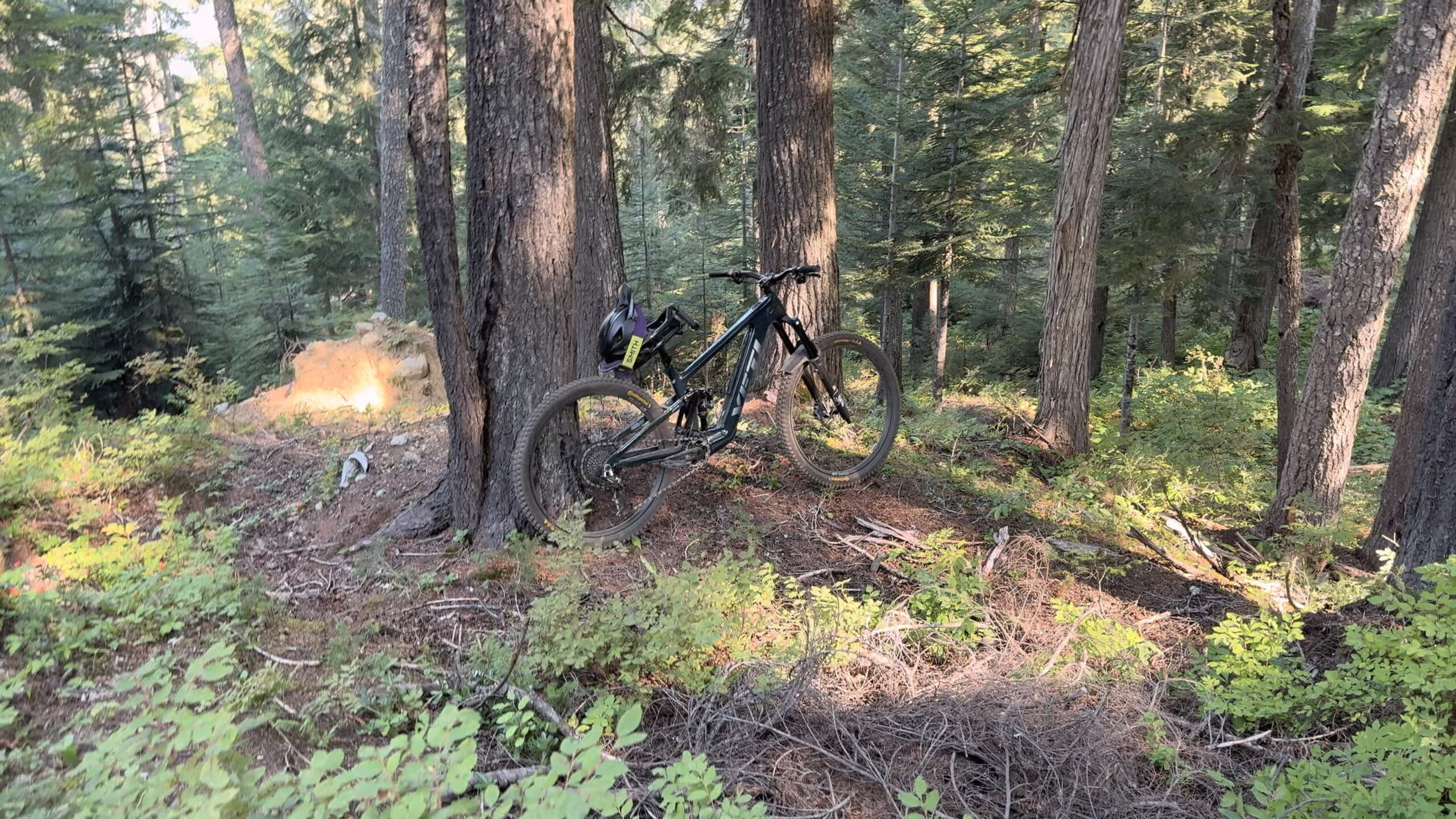
The TQ HPR60 might be my favorite part of the bike.
Its power delivery feels smooth and natural—almost like pedaling a normal bike with superhuman legs. There is a slight delay as the assistance engages, and you notice the motor disengage when you stop pedaling, but neither issue took long to understand.
More importantly, the motor is incredibly quiet. You hear a faint sound while pedaling, but there is no distracting motor whine and almost no noise while descending. The bike itself was also impressively quiet, with no distracting rattles from the frame or drivetrain.
The HPR60 does not have the hard-hitting boost of a full-power Bosch CX motor or Avinox. If your priority is gaining 2,000 feet as quickly and effortlessly as possible, this probably isn’t the system you want.
For the way we ride, though, it supplied enough assistance roughly 90% of the time. We still want to pedal, work, and get a training effect—we just want more laps. For that purpose, the TQ motor felt fantastic.
Real-World Yeti MTe Range
The 580Wh battery delivered more range than I expected.
After approximately 3,300 feet of climbing, I still had 39% remaining. Most of that climbing was in the highest assistance mode, with the middle mode used for some singletrack.
By the end of the ride, we had climbed approximately 5,500 feet. I reached the final climb with almost nothing left, while Emily still had noticeably more battery.
Rider weight clearly mattered. With extra gear in my pack, I was probably close to 200 pounds. Emily was approximately 155 pounds and appeared to have around 15% more battery during the latter part of the ride.
One thing to know: assistance drops substantially once the battery reaches its final 10%. The bike was still easier to pedal than an unassisted 45-pound bike, but it no longer felt like the eMTB we had been riding all day.
Still, 5,500 feet of climbing from a 580Wh battery is a strong result—especially when we spent so much of the day in the highest power setting. Range was one of the strongest parts of this Yeti MTe review.
Yeti MTe Review: Downhill Performance
This is where the MTe stopped matching my expectations.
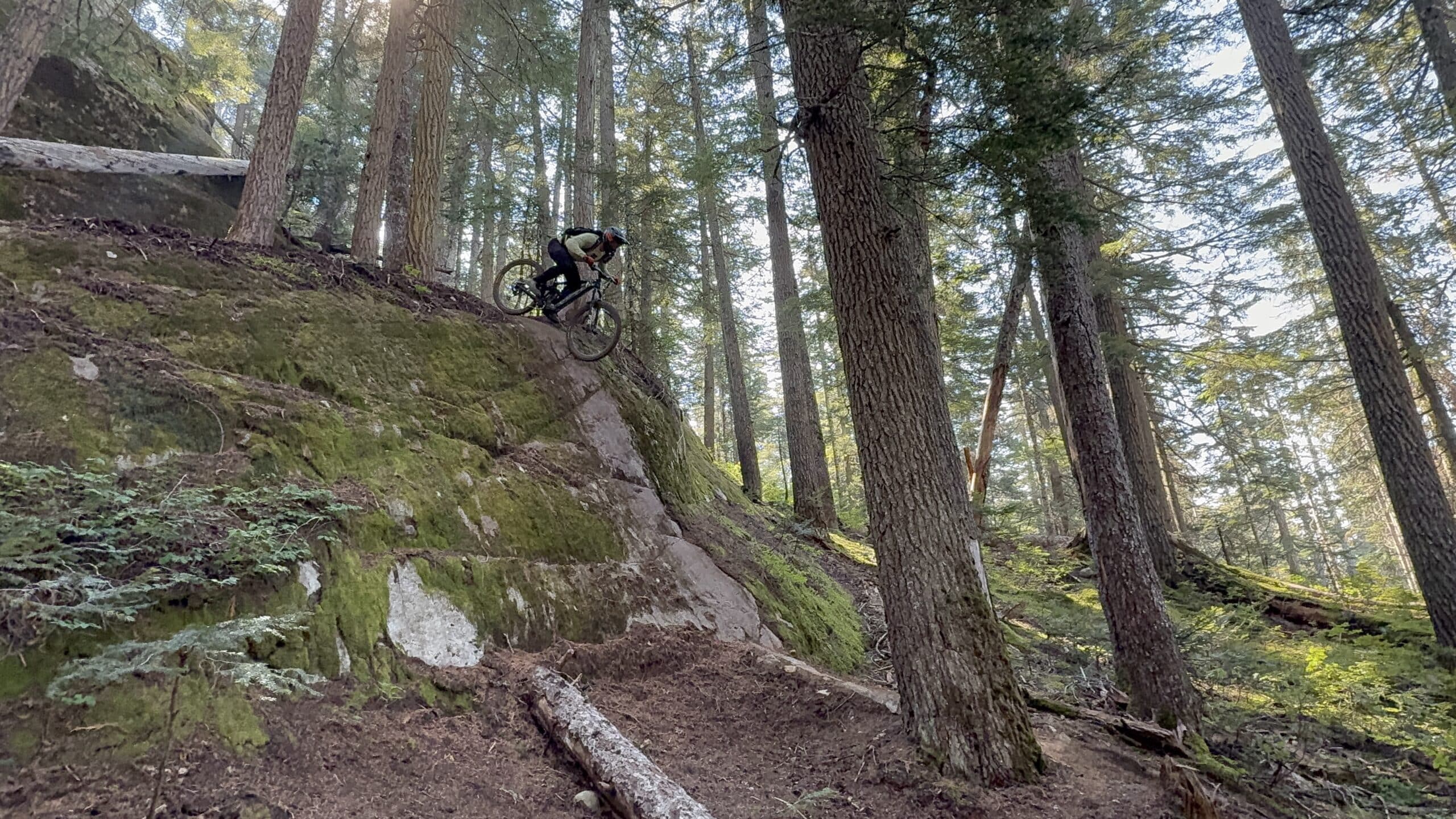
The bike is extremely capable. On our first day aboard it, we rode steep rock rolls, technical chutes, awkward compressions, and some genuinely gnarly features. The suspension offered plenty of support, the tires hooked up well, and the chassis felt planted in rough terrain.
When I pushed the bike into the ground, it responded well. It pumped through compressions, carried speed, and landed with a reassuring amount of support. If you want to stay planted and let the bike track through chunk, the MTe feels composed and secure.
But pulling the bike off the ground told a different story.
Trying to manual, pop over trail features, change lines, or jump made the extra weight obvious. The bike felt dead underneath me in the exact moments when I wanted it to feel playful. Emily noticed the same thing: pushing into the bike felt good, but pulling it up required much more effort.
The MTe is playful compared with many full-power eMTBs. It did not feel playful compared with the best lightweight eMTBs we’ve ridden—or with a normal enduro bike.
By the end of the day, our arms were tired. Some of that was the amount and difficulty of the descending, but controlling the bike’s weight through the low cockpit was work.
Geometry, Sizing, and Cockpit Setup
The size-large MTe has a 480mm reach. At 6 feet 1 inch, I could ride it comfortably enough after moving the saddle, but the front end felt too low for the steep terrain we chose.
I would immediately try a higher-rise handlebar, possibly around 50mm. Raising the cockpit should shift more pressure toward the feet, reduce fatigue in the arms, and make it easier to stay centered when the trail gets steep.
I would also consider testing the XL, although its 505mm reach is a substantial jump. I would not confidently choose between those sizes without riding both.
Another detail worth noting is the 449mm chainstay length across every frame size. I like the relatively long rear center on the large because it adds stability, but size-specific chainstays would do a better job preserving the same balance for every size and rider.
SRAM Maven Brake Feel
The SRAM Mavens delivered all the stopping power we needed, but the rear brake was much easier to lock than the TRPs I normally ride.
Both Emily and I skidded the rear tire more than usual during our first laps. I eventually adjusted, and the brake’s power made nose pivots almost effortless, but modulation never felt as intuitive to me as my TRP setup.
That unfamiliar brake feel contributed to one sketchy moment on a double-black rock feature. I locked the rear wheel, released the brake to correct, and the bike straightened itself out. The MTe was not solely responsible, but the low front end and my lack of confidence on the rear brake caused me to pull more brake than I normally would.
This is more personal preference than a fundamental problem with the bike. A rider already comfortable on Mavens may have a completely different experience.
Yeti MTe vs. Transition Regulator SX
The Transition Regulator SX is still the benchmark for an eMTB that almost disappears beneath you on the descent.
The MTe offers considerably more range, but it feels much heavier and requires more effort to pull off the ground. The Regulator SX behaves more like a slightly heavy acoustic bike when jibbing, popping, and changing lines.
If downhill playfulness is the priority, I would choose the Regulator SX. If you need enough battery for a 5,000-plus-foot day without a range extender, the Yeti makes the stronger argument.
Transition Regulator SX Review – The Best Jumping eMTB We’ve Ridden
Yeti MTe vs. Transition Regulator CX
Despite having a lower-powered motor, the MTe’s downhill feel reminded us more of the full-power Regulator CX than the SX.
The CX is heavier and has a louder, much more powerful Bosch motor, but its more downhill-oriented setup made it feel better suited to consistently steep and vertical terrain. The MTe leans more toward an all-around trail bike that can handle serious descents, while the Regulator CX feels like an enduro bike built to hammer them.
Adding a higher-rise handlebar would move the MTe closer to that downhill-oriented position, but it would not erase the difference in character.
Transition Regulator CX Review — The eMTB That Actually Feels Like a Mountain Bike
Yeti MTe vs. Propain Sresh SL
The Propain Sresh SL is the most direct comparison because it also uses the TQ HPR60 and can be configured with a 580Wh battery.
On paper, the bikes can weigh a similar amount. On the trail, the Sresh SL felt noticeably lighter, poppier, and more fun. The Yeti felt stiffer and more confidence-inspiring when planted in rough chunk, while the Propain’s rear end was easier to bounce off line.
For our riding style, I would lean heavily toward the Sresh SL. I think setup changes could make the Propain more composed in rough terrain, and its customizable build options make it easier to prioritize weight, battery capacity, suspension, and price.
The MTe is the better choice for a rider who values a planted feel over a lively one.
Is the Propain Sresh SL the Ultimate Lightweight eMTB?
*Checkout the full video review for Emily’s comparison of the MTe vs. the Norco Sight VLT TQ*
Who Is the Yeti MTe For?
The Yeti MTe makes the most sense for someone who wants:
- A quiet, natural-feeling motor
- Enough range for legitimately big climbing days
- A planted and confidence-inspiring bike in rough terrain
- More maneuverability than a traditional full-power eMTB
- Premium construction and an exceptionally quiet chassis
- A trail bike that can handle occasional gnarly descents
It makes less sense for someone who prioritizes:
- An acoustic-bike feel on the descent
- Manuals, jumps, trail gaps, and constant line changes
- The most motor power possible
- Maximum descending performance for consistently steep terrain
- The best performance-per-dollar value
This is also a bike I would strongly recommend riding before buying. Even a short demo can reveal whether the weight distribution and cockpit position work for you. PS, I recommend riding ALL bikes before buying!
Yeti MTe Review: Final Verdict
The MTe is not a bad bike. It is a beautifully made, highly capable, incredibly quiet eMTB with an excellent motor and surprisingly good range.
It just misses the specific compromise we want.
For us, downhill fun matters more than climbing speed. We want an eMTB to feel alive when we pull it off the ground—not merely stable when we push it into the trail. The MTe’s planted character will be an advantage for plenty of riders, but it made the bike feel heavier and less playful than we expected from the “lightweight” label.
If I wanted maximum range with the TQ motor and preferred to stay planted through rough terrain, I would absolutely consider it. I might also explore the lighter 290Wh build or remove weight with higher-end components and carbon wheels.
But with the 580Wh setup we tested, I would personally choose the Propain Sresh SL for its playful feel, the Regulator SX for the closest thing to an acoustic-bike experience, or the Regulator CX if my trails were consistently steep and downhill-focused.
The biggest lesson from this Yeti MTe review is that a lightweight eMTB can deliver real range without a loud or unnatural motor, but the number on the scale does not tell you how light a bike will feel once the trail points down.
That feeling is what matters most.
Have you ridden the Yeti MTe? What matters more to you in a lightweight eMTB: a bigger battery and more range, or less weight and a more natural feel on the descents? Let me know in the comments.
🚐 Check out what we are riding:
https://thevantasticlife.com/van-life-mountain-bike-setup/
Leave a Reply